Spotlight: A Hard Frost by Judith Kerman
/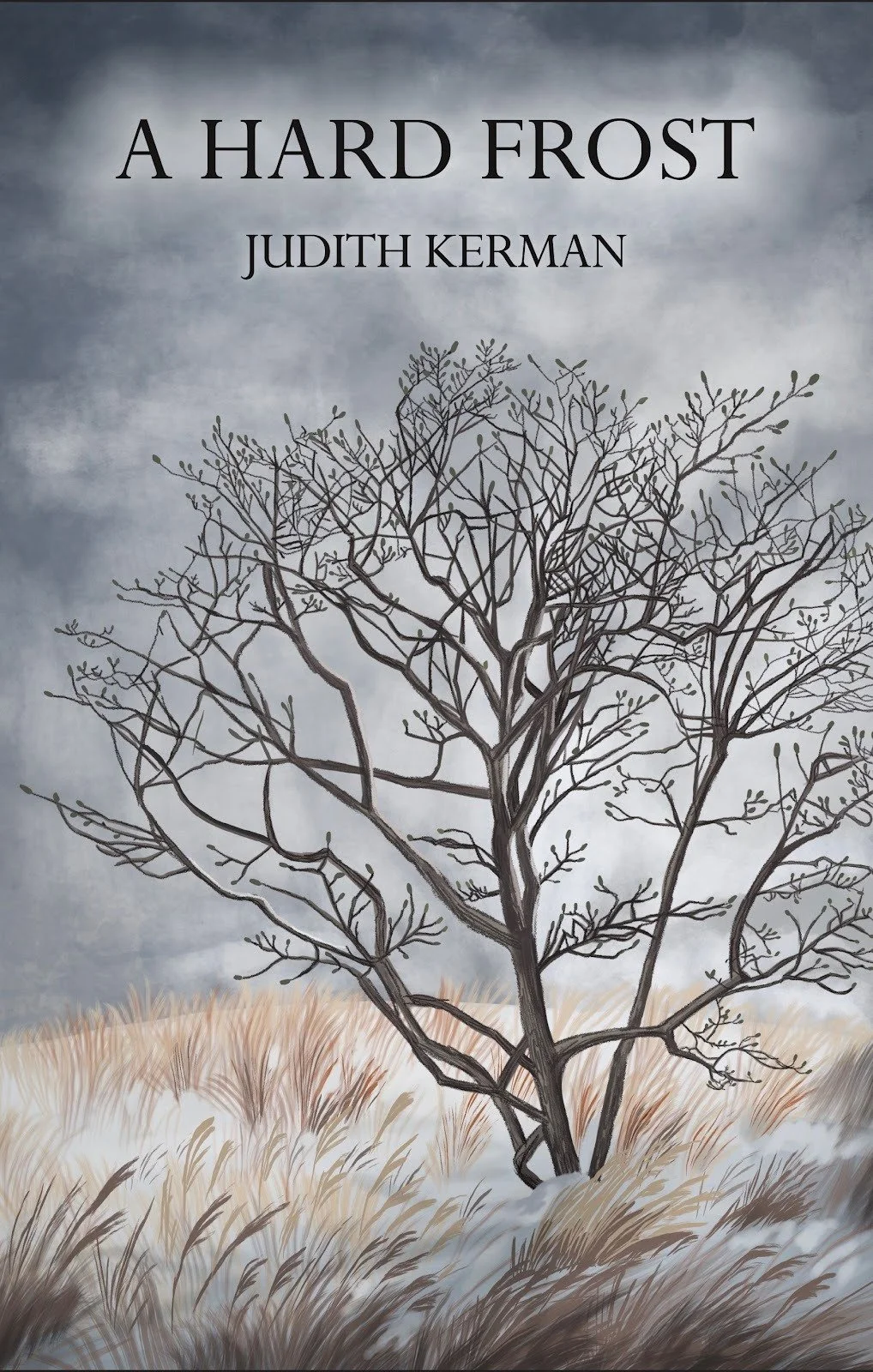
Judith Kerman returns with her twelfth collection of poetry, A Hard Frost, in which she confronts aging and disability with honesty, wit, and an undiminished creative force. Written from the lived experience of becoming moderately disabled later in life, the poems examine the physical limitations of an aging body while refusing narratives of decline. What emerges is resilience, humor, and a fierce attentiveness to the world.
With an imagistic and naturalistic voice, Kerman explores her developing relationship with the natural world—its beauty, its menace, and its capacity to ground a life under strain. A quiet, unconventional mysticism runs through the collection, in poems where perception, science, music, and history interact.
A Hard Frost affirms the emotional and imaginative vitality of old age, offering poems shaped by perspective, irony, and hard-won insight—and demonstrates that older women shouldn’t be underestimated or overlooked.
Excerpted from A Hard Frost by Judith Kerman. Copyright © 2026 Broadstone Books. Reprinted with permission from Broadstone Books. Frankfort, KY. All rights reserved.
Trying to Sleep
All night,
beeps of
call bells. Never quite
dark in the halls, doors wide open.
Everyone’s asleep, I think, but me. I toss,
flail, rearrange my sheets,
grimace as the woman across the hall calls out,
“Help me get up!” again and again.
I grope for earplugs,
jam them in,
know this will go on
like last night, until she
manifests in her doorway, a wobbling apparition in her
nightgown. The floor nurse takes her to bed again—through
open doors, I hear their voices. Then,
peace. She’s
quiet a while. I try to
rest, hope to sleep, but know
soon she’ll start again.
Ten minutes, fifteen. Did I sleep?
Up the hall at the nursing station,
voices, low for awhile, then louder.
When will someone bring her
Xanax? My feet itch from
yellow hospital socks. Where is
Zen mind when I need it?
Legs
—noun—
Nickname for a chorus girl.
Success on Broadway, lasting long enough to make money for its investors, with or without good reviews.
Famous gangster.
A table relies on them. Ball and claw. Gate leg. With or without casters.
Where the most complex joints and longest bones are.
What propels most athletes.
Visible means of support.
A wheelchair is a poor substitute.
Part of a relay race. I’m out.
Scars
I used to drive through countryside
where soft shoulders of hills hid
sharp-edged cuts.
When I flew over,
I saw rock and rubble,
stripped mountaintops,
driveways for machinery.
I pierced my ears when I was twenty.
Today the young have
nose rings, tongue rings,
navel rings, arms and backs covered
with tattoos: skulls, hearts,
roses, logos, crescent moons.
My body is a world
that has been mined.
I count my scars:
hysterectomy a vertical valley,
hands and forearms creased with cat scratches,
the ladder of stitches covering a steel pin,
knee replacement
and revision and revision.
A perfect body shines,
unmarred. Who has one?
About the Author
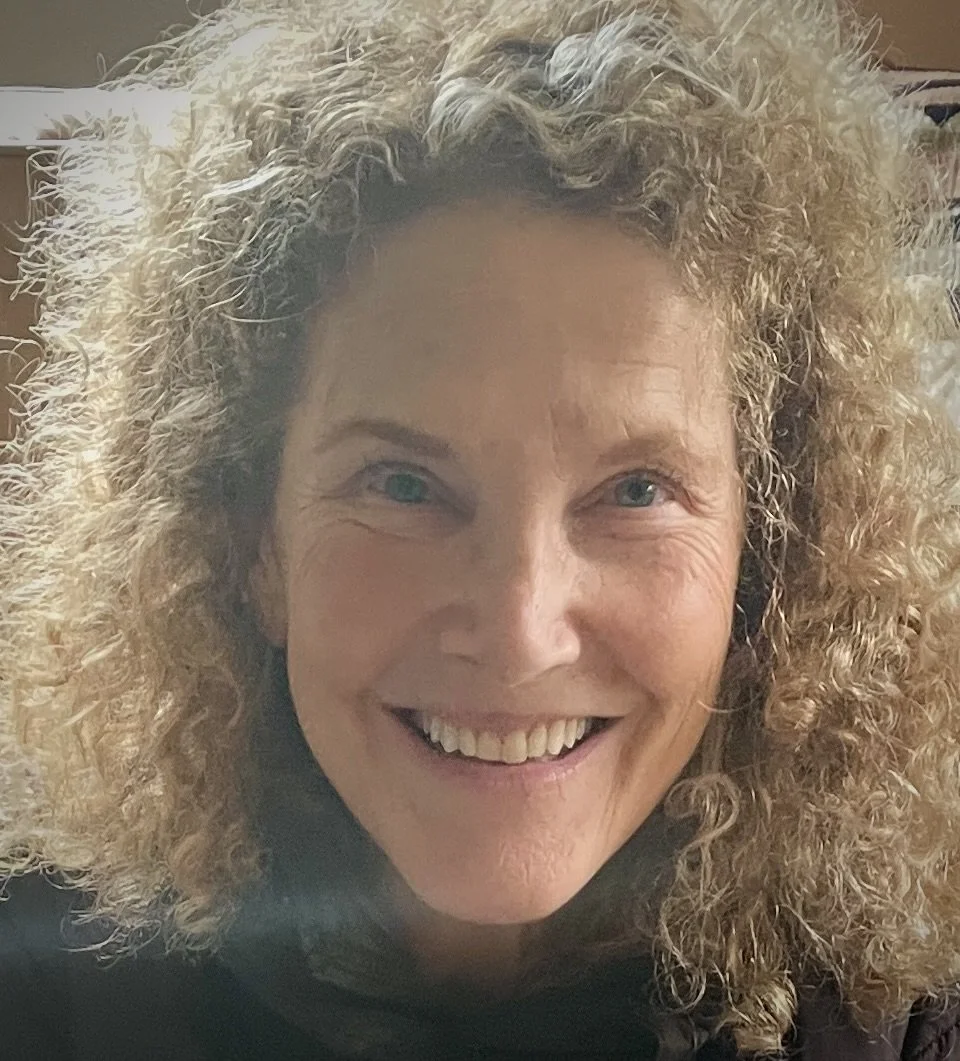
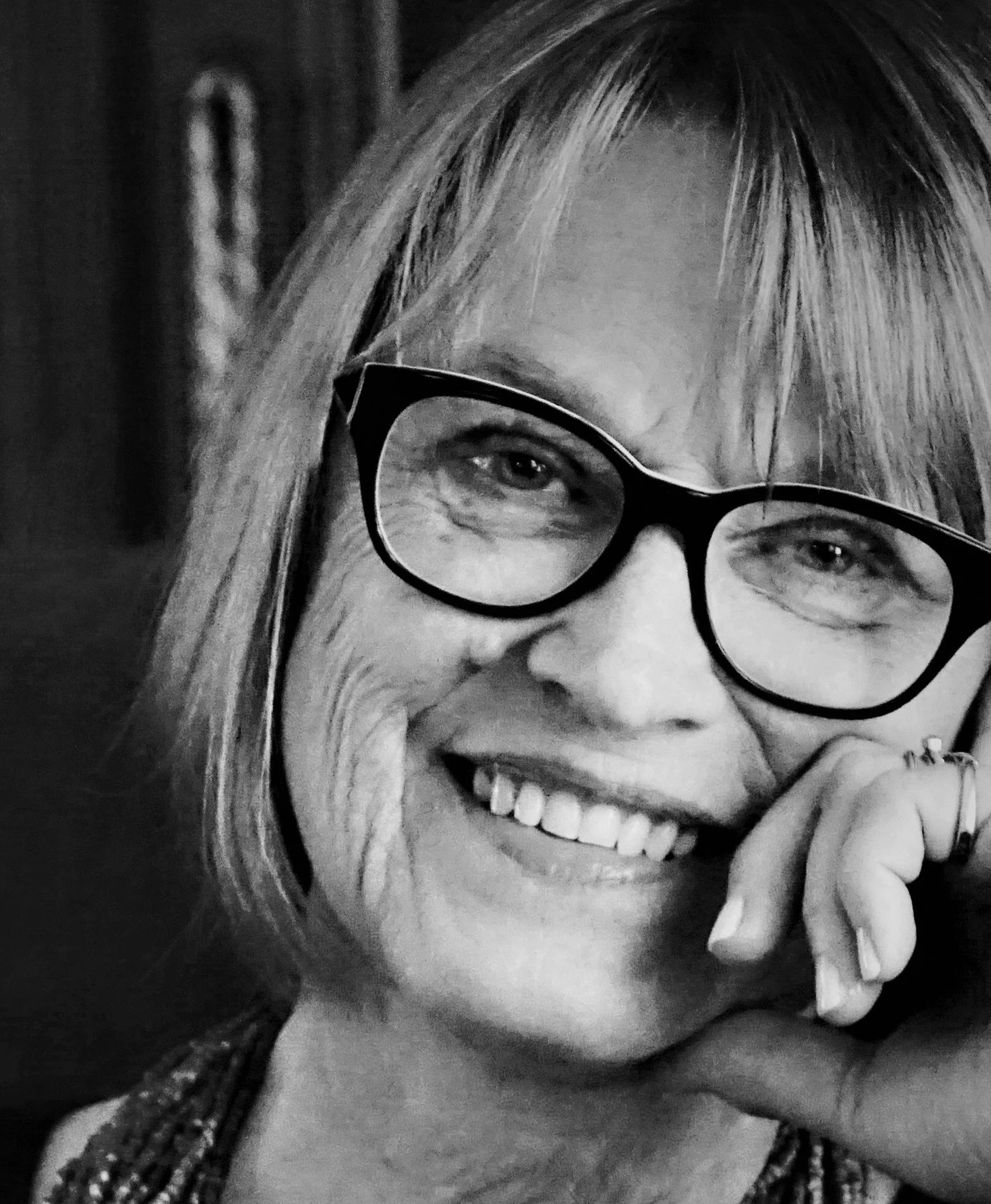
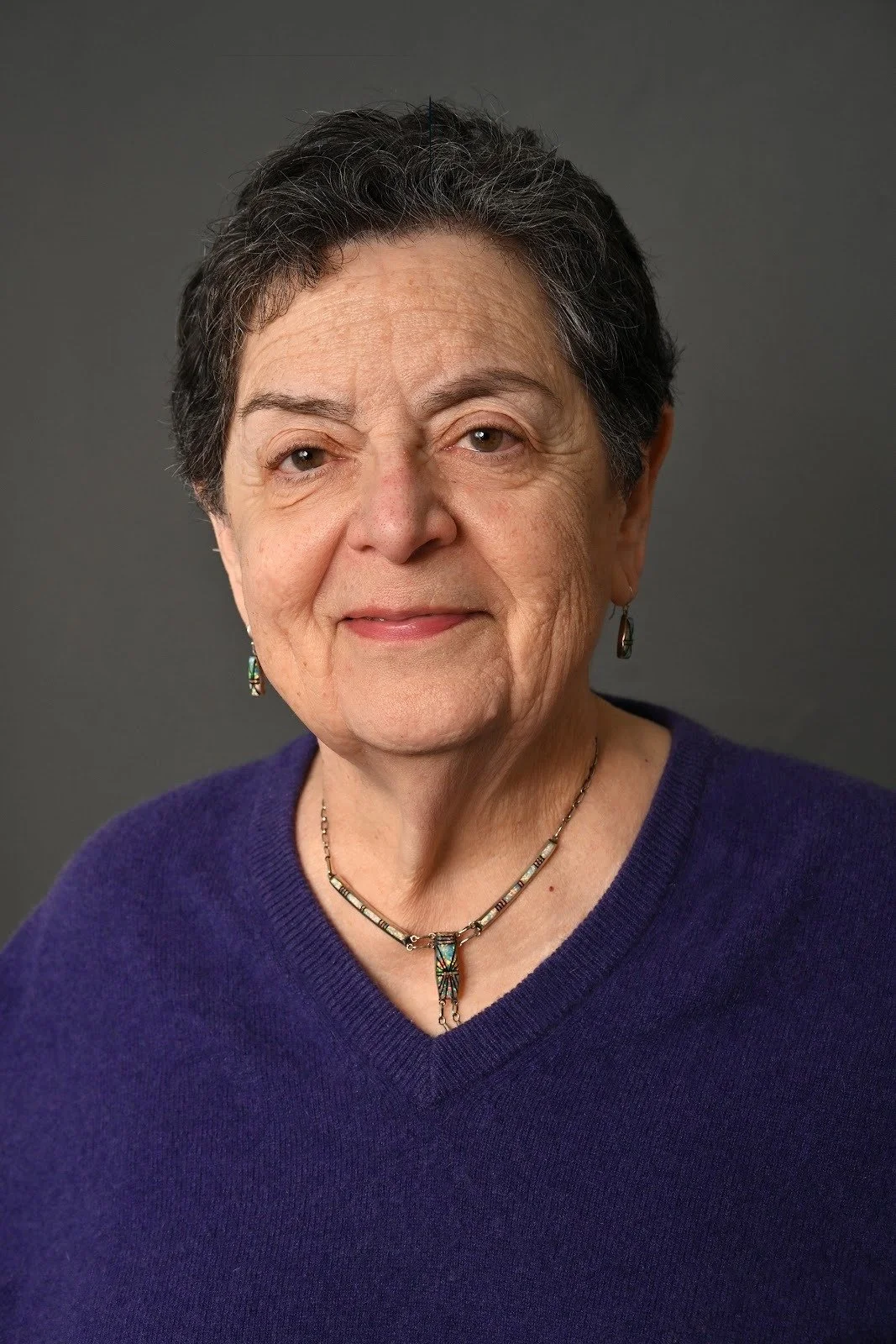
Judith Kerman is a poet and multi-artist (singer, performer, and crafter). She has published eleven books and chapbooks of poetry, most recently Definitions (Fomite Press, 2021), along with three books of translations. Committed to publishing and literary community-building, she founded Earth’s Daughters magazine in 1971 and went on to establish Mayapple Press in 1978, which she continues to run today. Kerman earned her Ph.D. in English from the University of Buffalo. As a Fulbright Scholar to the Dominican Republic in 2000, she translated the poetry and fiction of Dominican women and designed a website for the Museo del Hombre Dominicano, expanding access to underrepresented voices and histories. After a career in university teaching and administration, she retired to Woodstock, NY, where she remains an active force in the literary world by overseeing Mayapple Press, coordinating online poetry workshops, and leading annual writers’ retreats. Find her online at judithkerman.com.