Spotlight: Gone to Ground by Morgan Hatch
/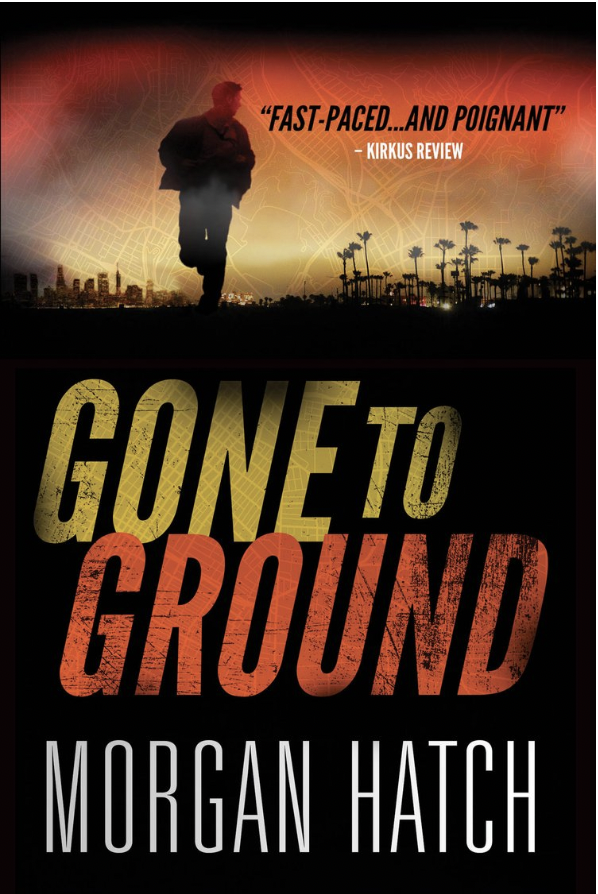
The first in a suspenseful new trilogy, a fast-paced thriller set in the streets of Los Angeles, featuring a Mexican American high school senior embroiled in a conspiracy that threatens to destroy his neighborhood.
Javier Jimenez is on a glide path to college while his brother, Alex, has done a 180 and is heading for trouble. Neither, however, have any idea what's coming their way when George Jones sets in motion his plan for their neighborhood. "Some people flip homes. I flip zip codes." It's a cataclysmic vision of urban renewal replete with manmade disasters, civil unrest, and a tsunami of ambitious Zoomers.
Meanwhile, Alex and Javier's feud quickly escalates, even as Alex finds himself in way over his head with Denker Street, the local gang. The bodies start falling, and Javier soon realizes Jones has put a target on his back. It's time to go to ground. Can he keep Alex from falling further into the streets? Can he outplay Jones at his own game? All this and his own hopes, once so bright, now fading like a smog-shrouded LA skyline.
Excerpt
The District Minister ended the ribbon cutting with a short, sober speech, the protest across the street having sucked the air out of his moment. They were a macabre group in whiteface, marble-eyed, arms out scarecrow fashion, and wearing the blue and white tunics of the fire victims. A small team of priests had started hanging garlands around the necks of each protester, a Vedic rite that lent a solemn air to the theatricality. The Minister descended the dais, glad-handing the familiar faces and watched a stick-legged boy on his bike pedal by, his school portfolio slung across his back.
The train’s horn announced its approach, the engine like the head of a dragon, something called a maglev that floated into sight as serenely as evening prayer candles on the Ganga. A Hindu only when the cameras were around, the Minister had seen in these past twelve months an abject lesson in samsara worthy of Shiva, the rebirth of this forgotten section of Hyderabad made only possible from the cataclysm he had helped detonate. The riots had cost him personally, his own son now lost in the political ether, his social media feed like an IV drip. All of it invented, a Bollywood set piece. In the end, the factory fire had been his bridge too far, the charred corpses already making dream cameos.
The boy on the bicycle was waiting for him under the banyan tree standing astride his bike. “Minister-ji.” He clasped his hands in namaste, flung a leg over the seat, and then stood on his pedals, slipping back into the street, his portfolio left leaning against the tree. The Minister gave it an indifferent look, half wishing he had simply told the boy to keep it: go buy a house with it, go buy twenty houses and a fleet of cars. He felt the watchful gaze of the protesters, their arms still ramrod straight, mirroring the lengths of the train that now sat idling at the station where only nine months ago the garment factory had stood. Two city blocks in size, it had combusted so quickly, burned at such a high temperature that many of the porcelain fixtures had drooped in the heat like Dali clocks. Skip loaders arrived only hours after the final flames had been extinguished, as if parked at the top of the hill, waiting for the signal to come clear away the evidence.
In a city where people died waiting on permits, the pace at which the factory was bulldozed and then rebuilt six months later invited suspicion and soon after, anger. Not only was there now this eye-popping station but also an esplanade with al fresco dining, fire pits, fern bars, a Disneyland for the burgeoning young IT class. The minister stared off into some middle distance, the ghosts of the factory fire now vanquished though not forgotten, the wordless echoes of the protesters the only thing he would remember from the day.
Buy on Amazon | Bookshop.org

About the Author
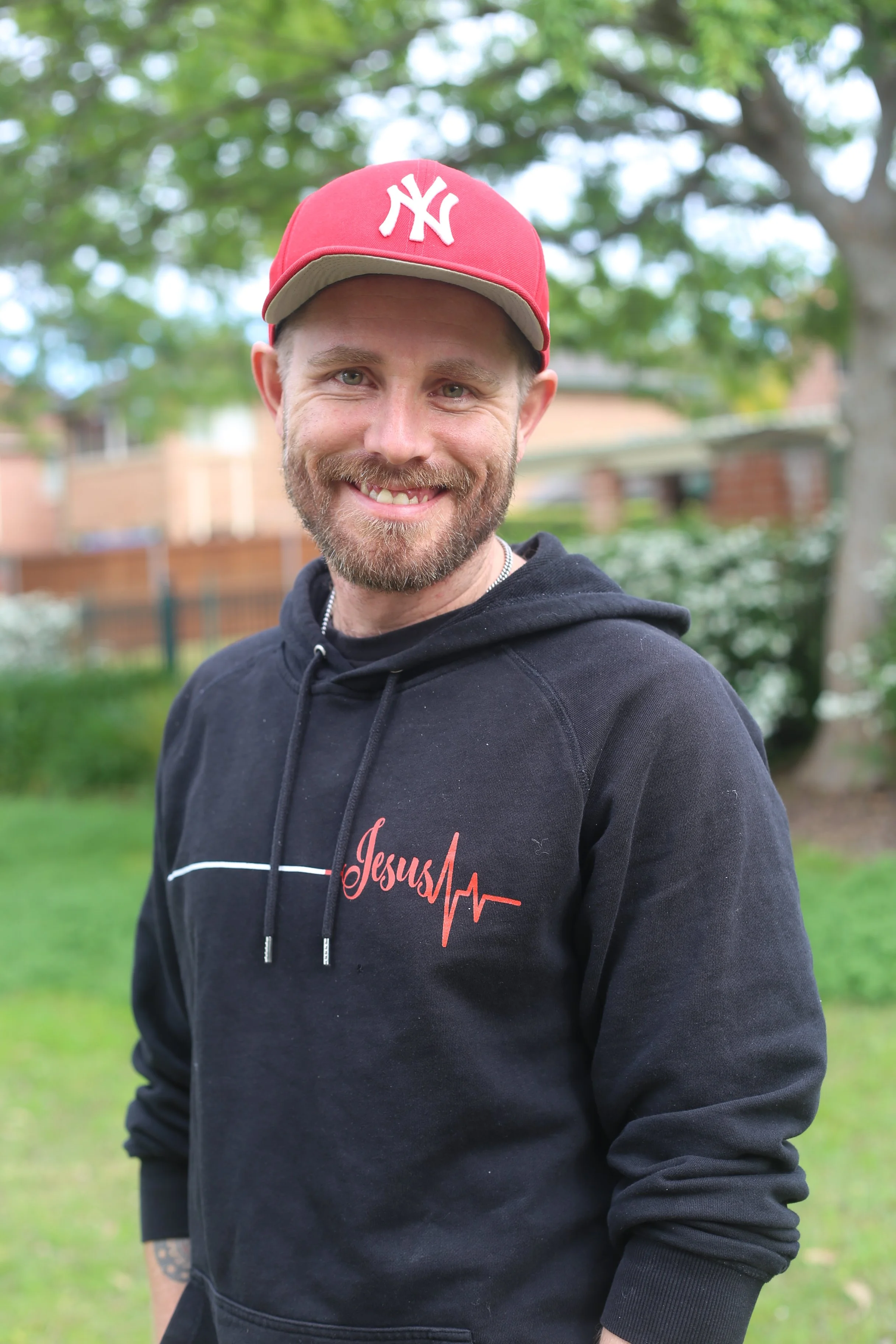
Having taught in the LA public schools for nearly thirty years, Morgan now writes about the people and places he has come to know in the course of his career. He began writing Gone To Ground during the pandemic which was also a period of time in which LA city politics were riven with scandal. Add to this the perennial "crises" of homelessness, immigration, and gentrification, weave in LA's love-hate relationship with the bullet train, and you have a novel as sprawling as this city itself.
Morgan lives in Los Angeles with his wife where he's trying to learn his mother-in- law's recipe for dal dhokli.