Spotlight: Keeping Our Enemies Closer: Political Dialogue in Polarized Democracies by Rachel Wahl

An inside look into real-life conversations across ideological, racial, and institutional lines

What does it take for a progressive student and a conservative peer to view each other with respect? Can trust form between a police officer and a community member after years of tension and mistrust? At a time when political polarization seems insurmountable, Rachel Wahl offers a rare glimpse into what happens when people with opposing views sit down and talk— not with the goal to debate or “prove” their political point but with the goal to understand the life experiences, hopes, fears, and ideas that drive their disagreements. Drawing on in-depth empirical research with college students, police officers, and community members, this groundbreaking book takes readers inside real-life conversations across ideological, racial, and institutional lines.

Wahl draws on political theory to examine two cases: structured dialogue between students and a series of forums held between officers and community members. Rather than idealizing dialogue, Keeping Our Enemies Closer reveals its complexity—where it succeeds, where it falters, and how it can reshape not just minds, but institutions. Through gripping narratives and rigorous analysis, this book challenges assumptions and offers a new framework for thinking about communication in fractured times. An essential read for educators, activists, and policymakers, Keeping Our Enemies Closer has much to offer anyone seeking to understand how connection is forged—or frayed—in twenty-first-century America.

Buy on Amazon | Bookshop.org

About the Author

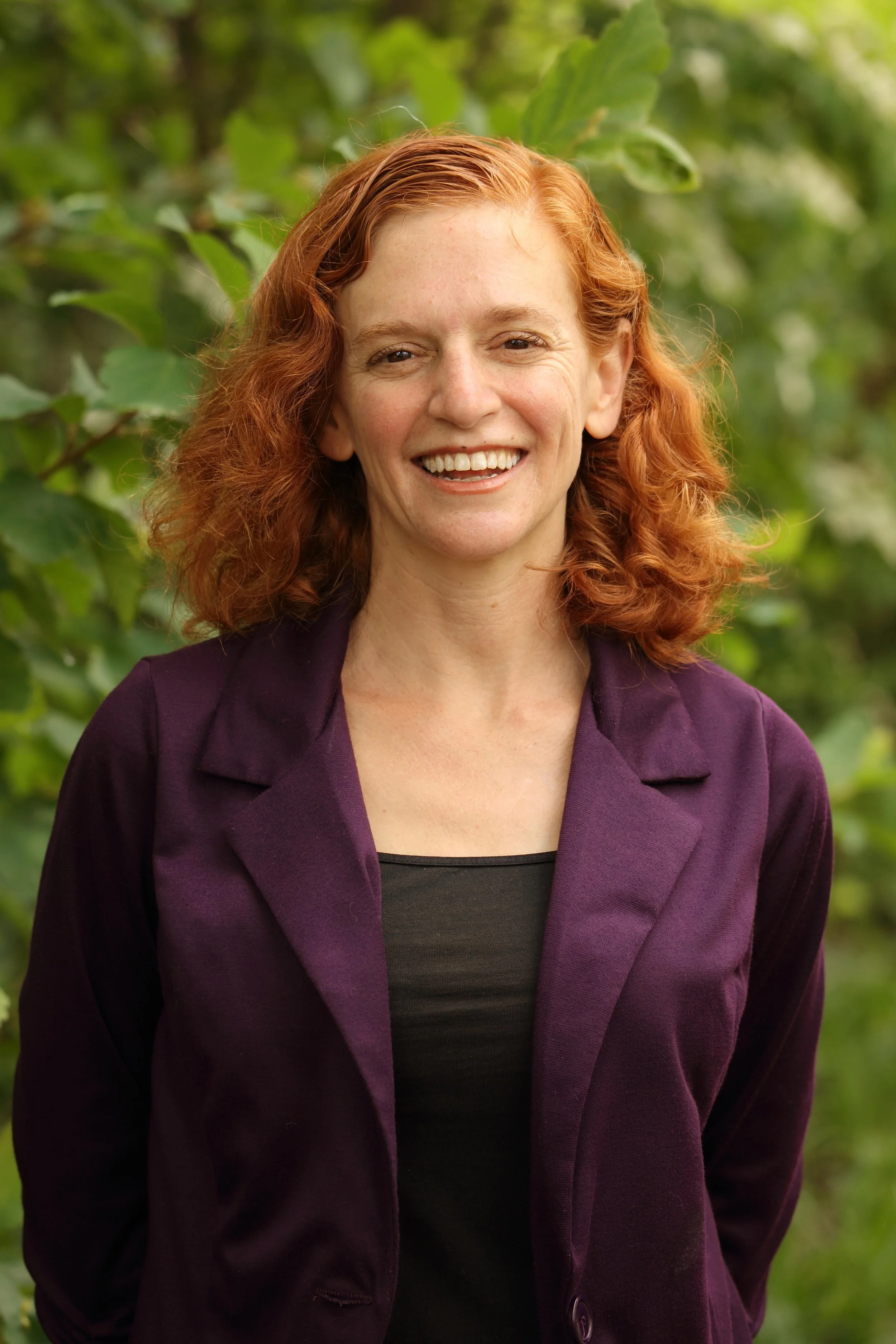
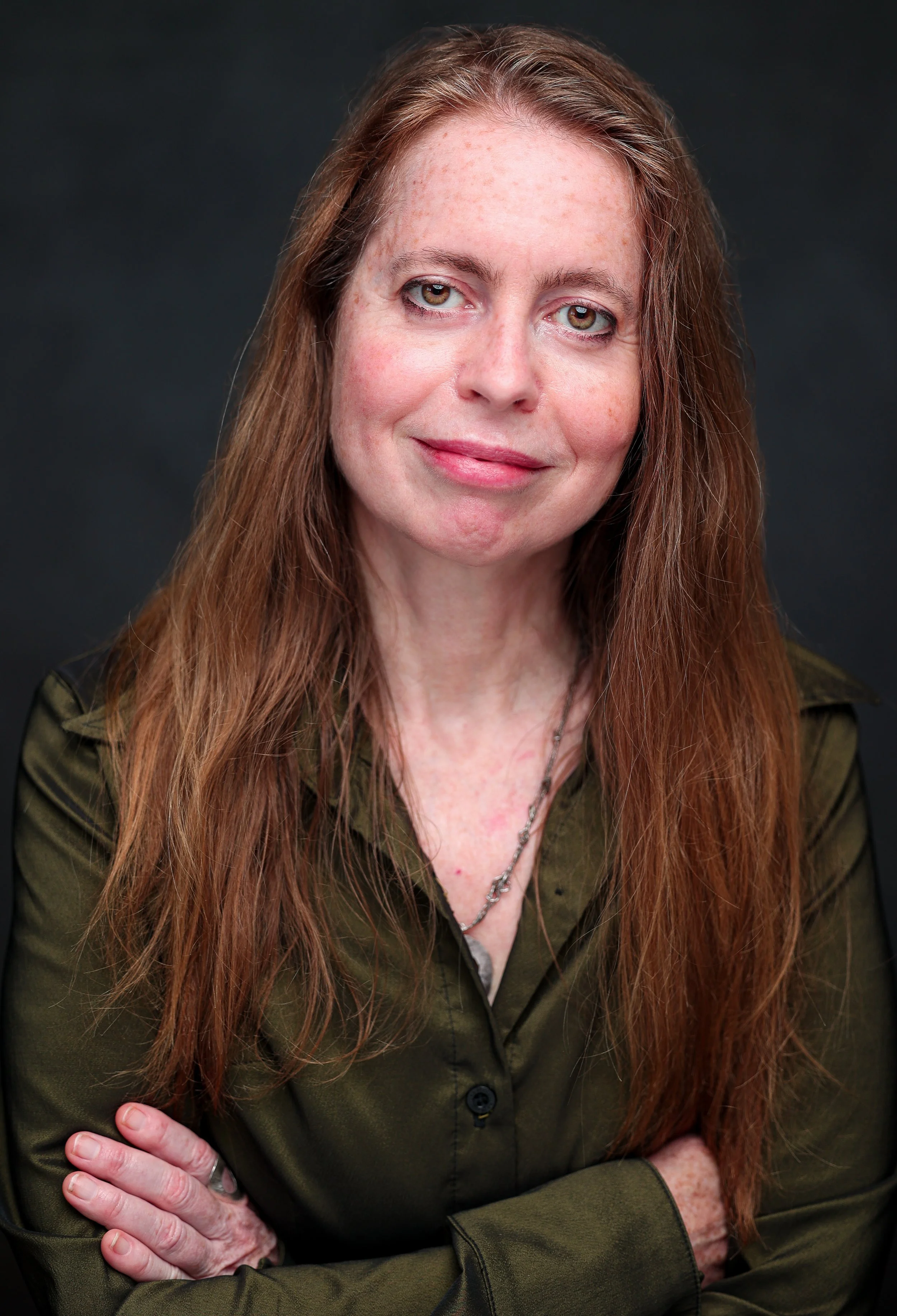
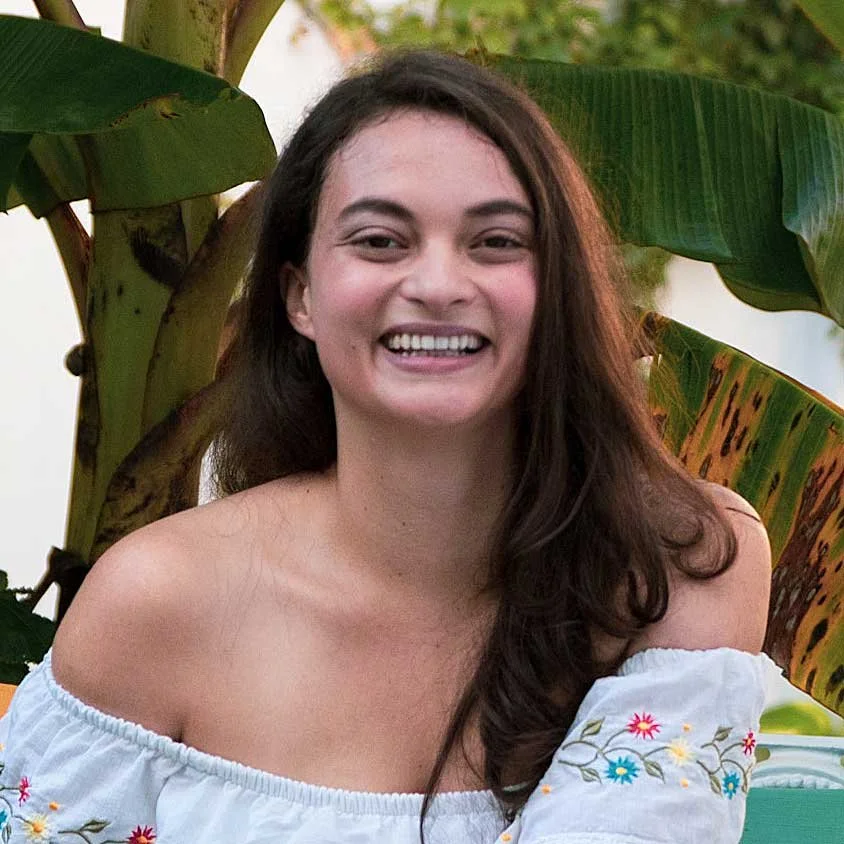
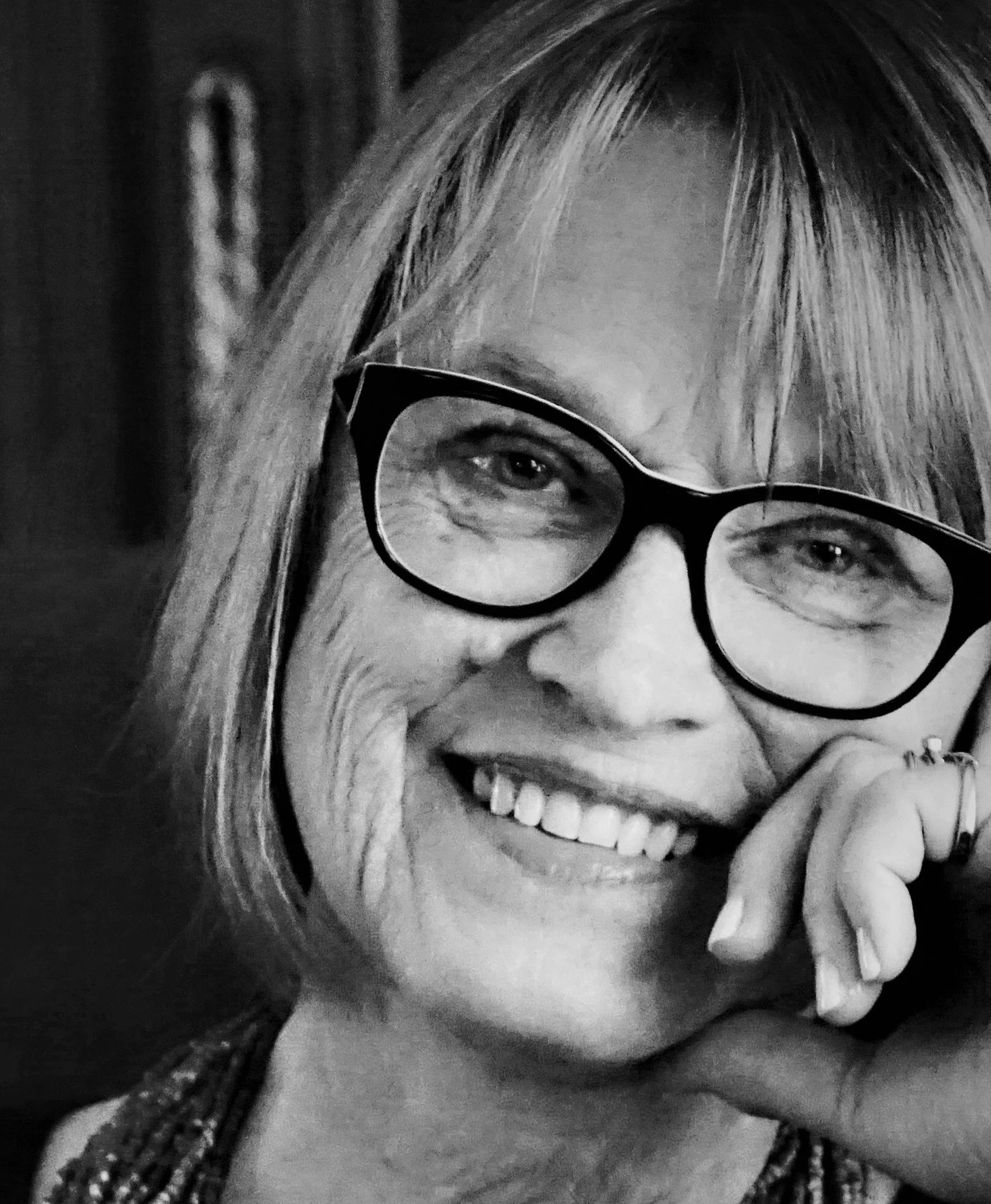
Rachel Wahl is a professor in the Department of Leadership, Foundations, and Policy at the University of Virginia's School of Education and Human Development, a Faculty Fellow at UVA's Karsh Institute of Democracy, and director of its Good Life Political Project. Her work examines how people handle political disagreement in polarized democracies. Her new book, Keeping Our Enemies Closer: Political Dialogue in Polarized Democracies (University of Pennsylvania Press), draws on years of research in settings from police-community forums to college campuses. It asks why political conversation has become so difficult and what dialogue can realistically do for democratic life. She is also the author of Just Violence: Torture and Human Rights in the Eyes of the Police (Stanford University Press, 2017).

Spotlight: Silence Was My First Language by Rich Dunning

Pub Date: October 6, 2026

Genre: Memoir

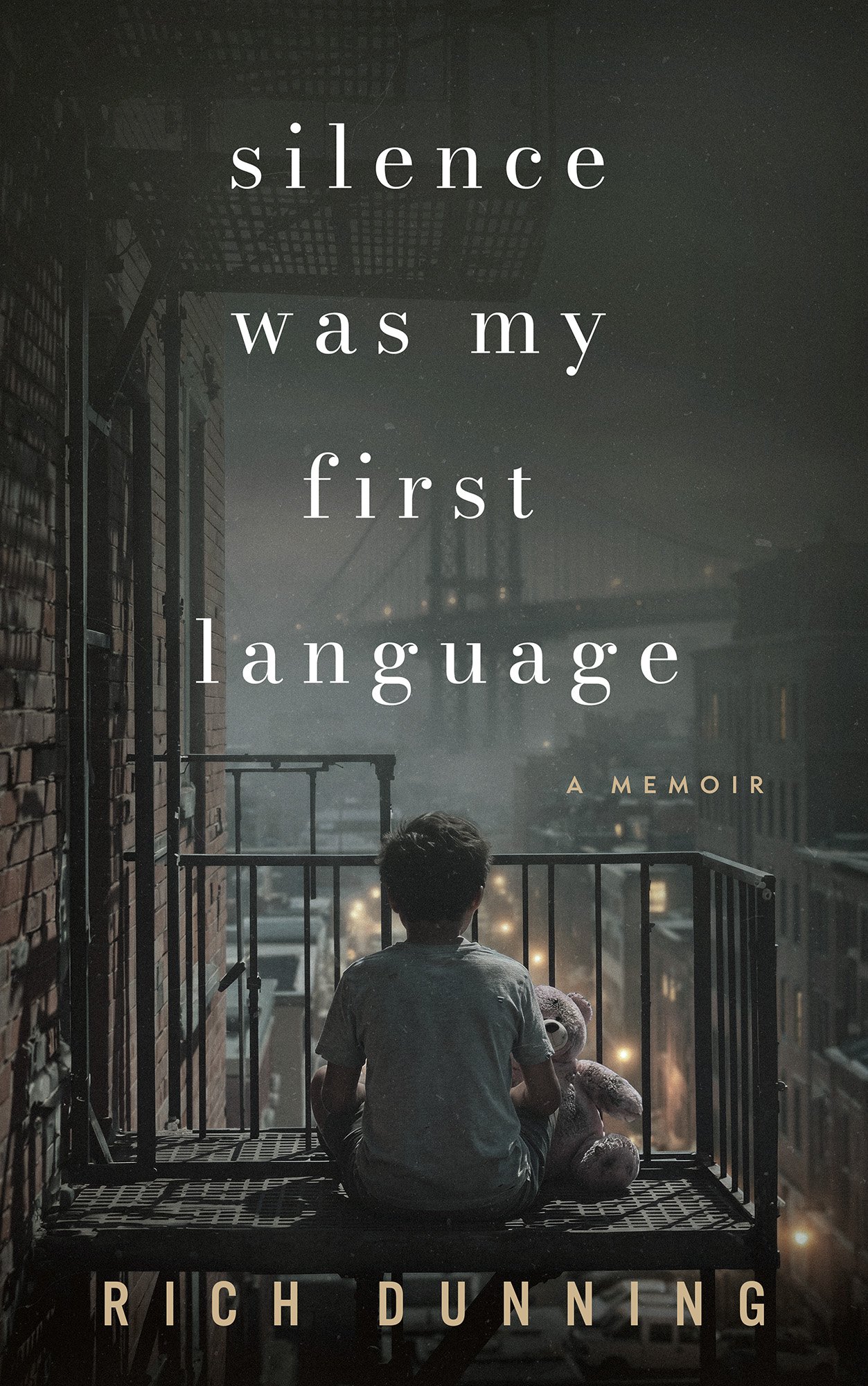
This is the story of what happens when childhood trauma is left unspoken and what becomes possible when silence is finally broken.

Rich Dunning was three years old when his father walked away. Soon after, his mother married Hector, a man whose alcoholism, violence, and cruelty transformed their Bronx basement into a place where fear dictated every decision and survival depended on becoming invisible. Violence became ordinary. Poverty was relentless. Childhood became an exercise in survival. Rich learned to recognize drunken footsteps before a key ever reached the lock. He learned where to hide when the shouting began. At night, he wrapped blankets tightly around his body because rats bit exposed skin while he slept and roaches crawled across the floor and walls. Silence was not a choice. It was survival.

Children raised in violent homes learn to read faces before words are spoken, anticipate danger before it arrives, and disappear before becoming the next target. Those instincts can save a child.

They can also imprison an adult. Long after escaping the Bronx, Rich carried those lessons into every corner of his life. They shaped his relationships, fueled alcoholism, reinforced shame, and convinced him that achievement could bury a past no one else could see. From the outside, he built an extraordinary career. On the inside, he remained the frightened little boy who believed survival meant never letting anyone know the truth.

With extraordinary honesty, Dunning confronts domestic violence, child abuse, abandonment, addiction, homelessness, recovery, forgiveness, and the lifelong psychological impact of growing up in fear. He does not search for villains or offer easy answers. He simply tells the truth, allowing readers to witness both the devastating cost of trauma and the remarkable resilience of the human spirit.

This memoir speaks to survivors of abuse, families affected by addiction, children who grew up too quickly, and anyone who has spent years believing the past could never loosen its grip. It is a story of survival, but more importantly, it is a story of hope. It reminds us that while trauma may shape a life, it does not have to define one. He offers a different kind of courage, not measured by physical endurance, but by the willingness to confront the memories most people spend a lifetime trying to outrun.

Buy on Amazon

About the Author

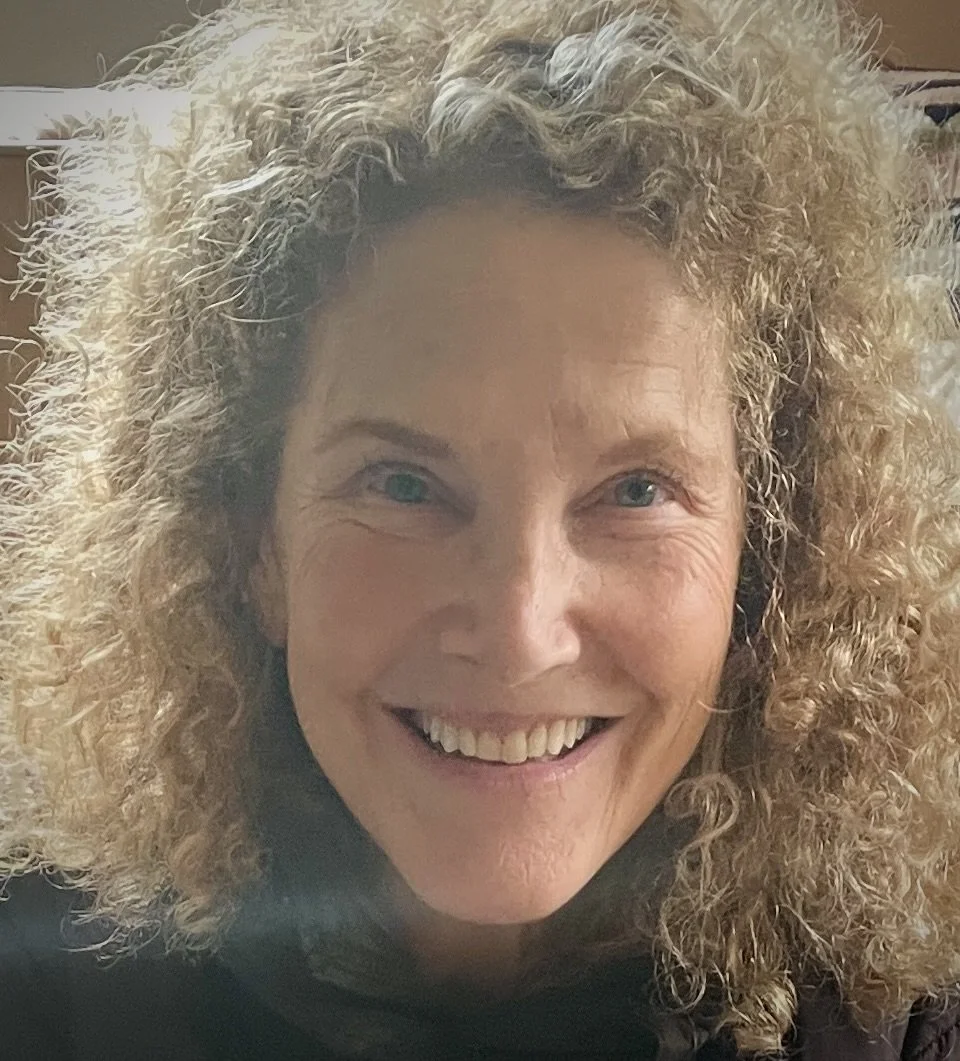
Rich Dunning is a senior executive in the medical device industry with more than two decades of experience leading in high-stakes environments; a professional career built on navigating complex systems, managing risk, and operating under sustained pressure. Raised in the Bronx in an environment defined by instability, exposure, and the absence of protection, he developed, from an early age, a level of awareness and control that shaped how he moved through the world. Those conditions did not remain confined to childhood—they inform his approach to leadership, decision-making, and, ultimately, his writing.

He began writing Silence Was My First Language more than 15 years ago, presenting the material as it was lived. Rich has also completed two novels, The Jaguar and Selling Arteries to the Devil, both grounded in real-world experience. He is currently working on additional manuscripts, including The Executive and the Escort and When in Puglia.

Dunning established the The First Language Foundation, a long-term commitment to direct one dollar from every copy sold to organizations supporting children facing abuse, hunger, and homelessness. He maintains dual residence in Lexington, South Carolina (outside of Columbia) and Brickell, Florida, (near Miami).

Connect:

Website: https://www.richdunningbooks.com/

Facebook: https://www.facebook.com/profile.php?id=61572018358103

Instagram: https://www.instagram.com/richdunningbooks/

Spotlight: Fortune and Glass by John Mutter

Pub Date: October 6, 2026
Genre: Fiction / Literary / Historical
Publisher: Left-Field Publishing

How do you stay human inside a regime built to erase you?

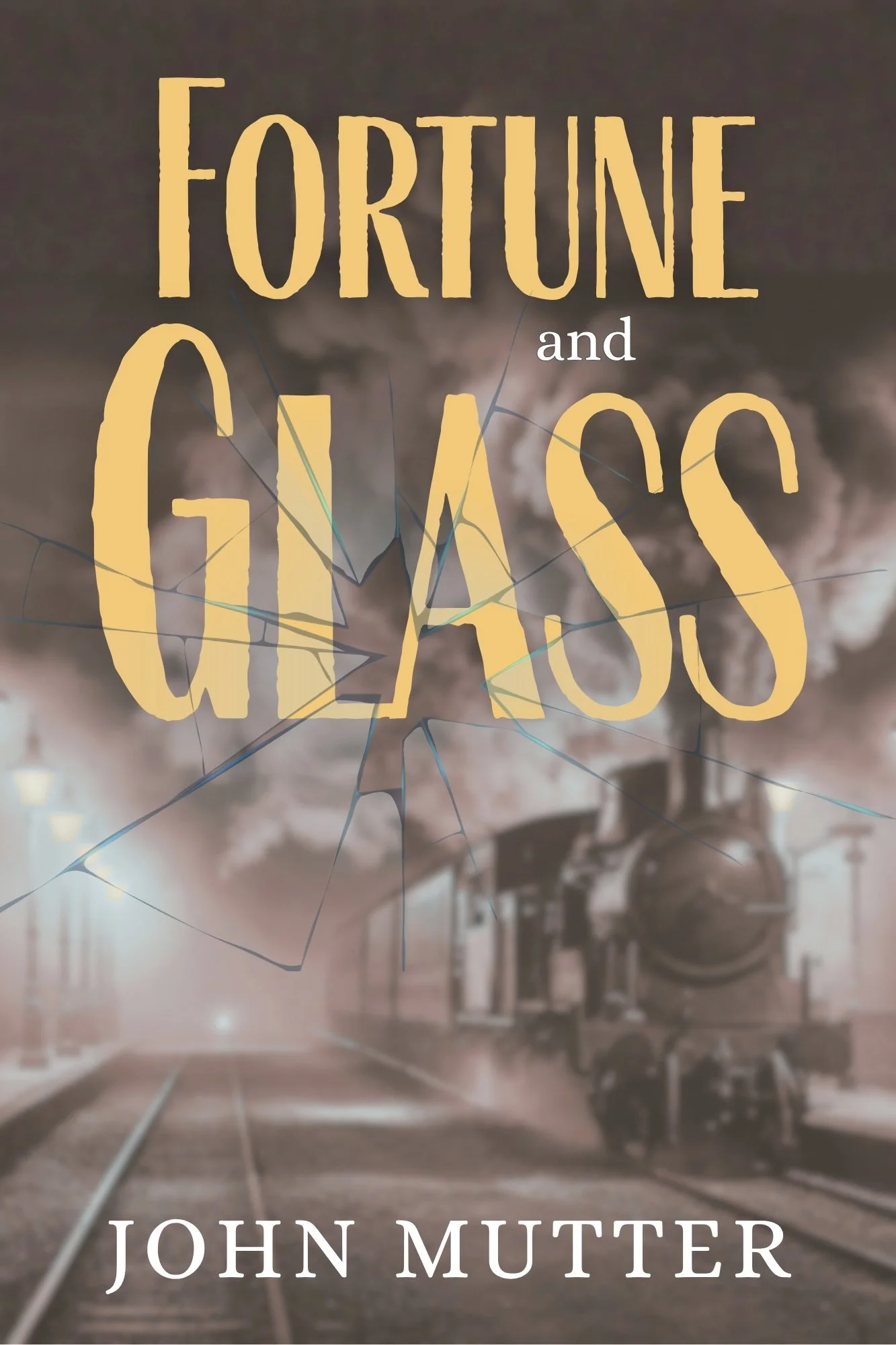
Berlin, 1932. Germany’s fragile democracy is fracturing, its ideals cracking like thin glass as political violence and paranoia seep into the streets. In the midst of this tension, Rudi, a young Foreign Ministry official, meets Sara, an unpredictable, morally fierce Jewish woman whose connection with him is immediate and combustible. By 1943, the Germany they knew has vanished. Rudi works at the center of Nazi power, performing his duties by day and passing intelligence to the Allies by night until Sara’s unexpected return threatens to unravel the life he has carefully constructed to survive.

A debut novel, Fortune and Glass is philosophical spy fiction and a literary love story about private choices, secret resistance, and the cost of staying human inside a system determined to erase individuality. Lyrical, atmospheric, and morally complex, it explores the gray zones of living under authoritarianism and asks a timeless question: Who are you when everything falls apart?

Melding literary fiction, psychological suspense, and historical storytelling, Fortune and Glass is an intimate exploration of identity, conscience, and quiet resistance inside a society sliding into extremism. It explores how ordinary people navigate love, loyalty, and moral responsibility inside systems that reward silence and punish dissent questions that feel as urgent now as they did then. Emotionally rich and philosophically resonant, it turns away from spectacle and heroics to focus on the private cost of survival.

Fortune and Glass is a deeply human story that reimagines the WWII novel by shifting the lens inward toward the moral choices that define us when history fractures beneath our feet. For readers of All the Light We Cannot See, The Nightingale, The Book Thief, The Alice Network, and the espionage of John le Carré, this debut novel from an established publishing voice blends intimacy, danger, and moral complexity into a story that feels both timeless and urgent.

Buy on Amazon | Bookshop.org

About the Author

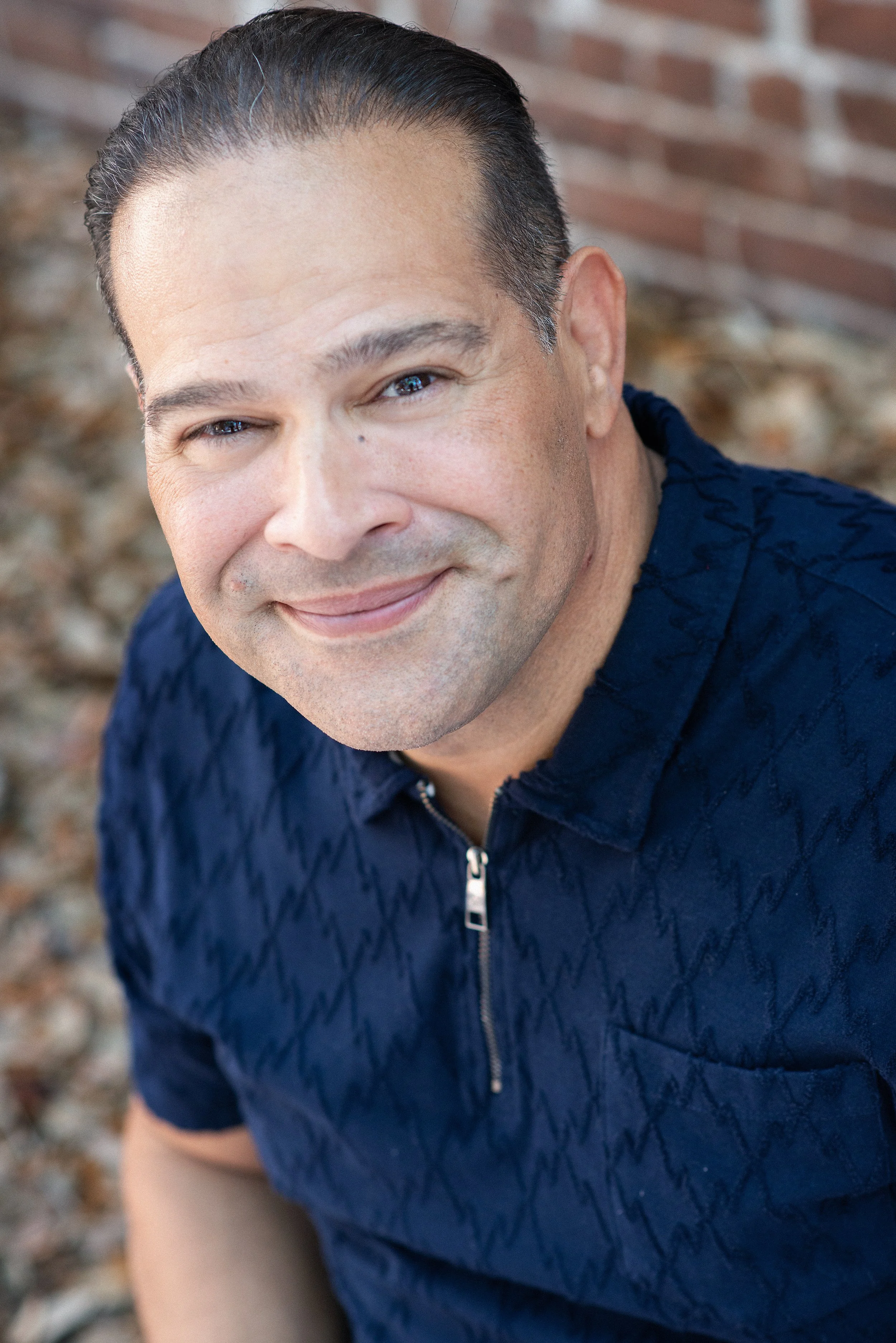
John Mutter is a journalist who covers the book world and is the editor-in-chief and co-founder of Shelf Awareness, the online company with publications for booksellers, librarians, and book lovers. He earlier was an editor for more than 20 years at Publishers Weekly. He graduated from Sarah Lawrence College and studied for a year in Germany. He has long been interested in history, literature, language, and politics. A resident of various points in the Northeast, including New York City, he now lives in the mountains of New Hampshire with his family. Fortune and Glass is his debut novel.

Connect: https://johnmutterauthor.com/

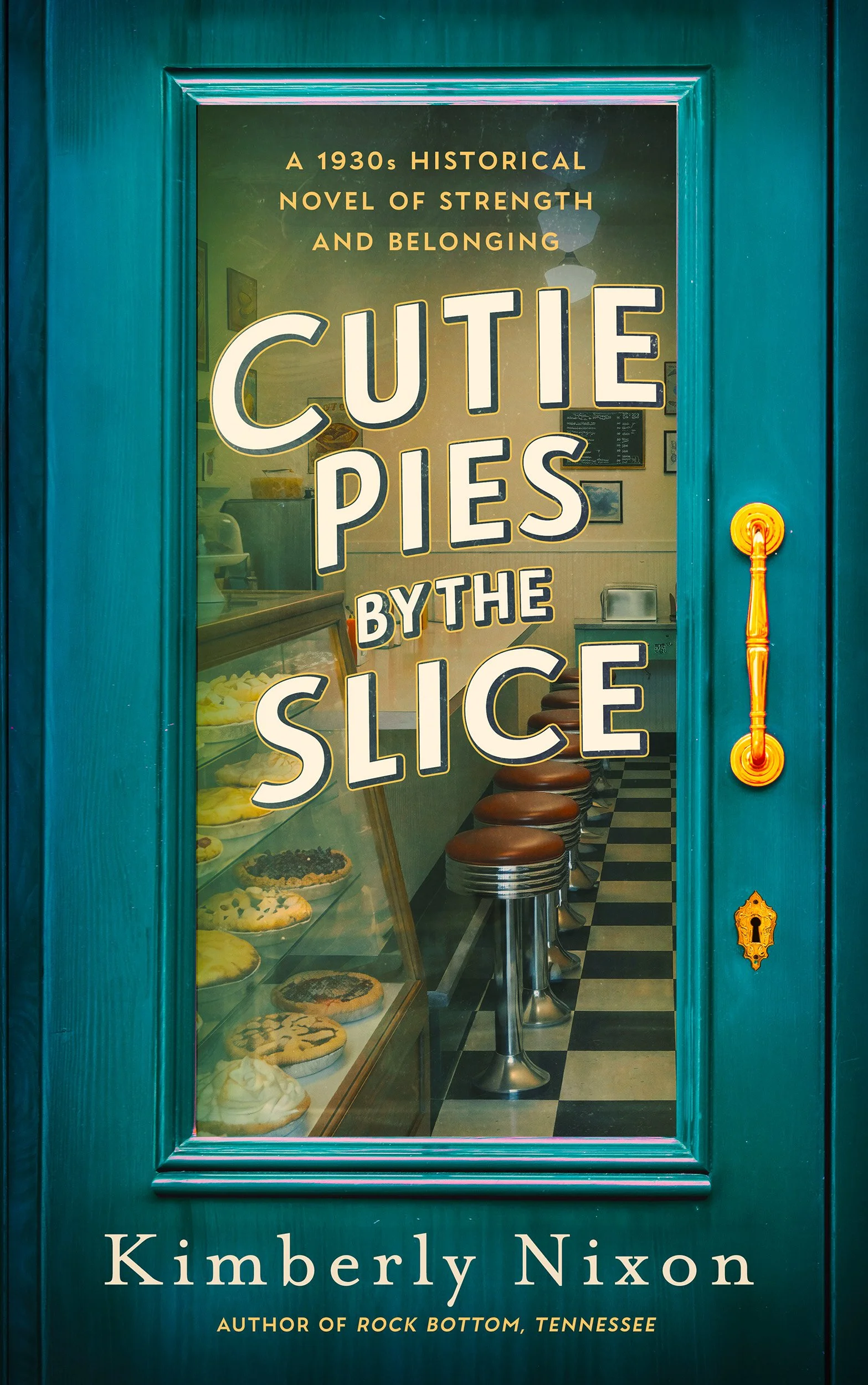
Spotlight: Cutie Pies by the Slice by Kimberly Nixon

Publication Date: October 6, 2026

Publisher: Roots and Wings Press, LLC

Some people inherit a family. Lila Young has to build one from scratch.

When twenty-year-old Lila arrives in a small Midwestern town, hoping for a fresh start with her older brother, she discovers she’s more alone than ever. Determined to make a life of her own, she opens Cutie Pies by the Slice, where neighbors gather over coffee and strangers slowly become the family she’s always longed for.

As the pie shop flourishes, so does Lila’s confidence. Agnes and Maggie become the sisters she never had, and Vern, a quiet, dependable man who faithfully carries her daily bank deposits, becomes someone she learns to trust.

Then Lila uncovers a devastating secret: without her knowledge, her thriving business has become entangled in organized crime. As hidden loyalties surface and those she loves are drawn into dangerous choices, she must decide whether broken trust can be rebuilt and whether forgiveness is worth the risk.

Set during Prohibition and the Great Depression, Cutie Pies by the Slice is a heartfelt novel of resilience, redemption, and chosen family. Filled with unforgettable characters, small-town charm, and the comforting aroma of fresh-baked pie, it celebrates the quiet courage of ordinary people who discover that the sweetest things in life aren’t inherited, they’re earned.

Buy on Amazon | Bookshop.org

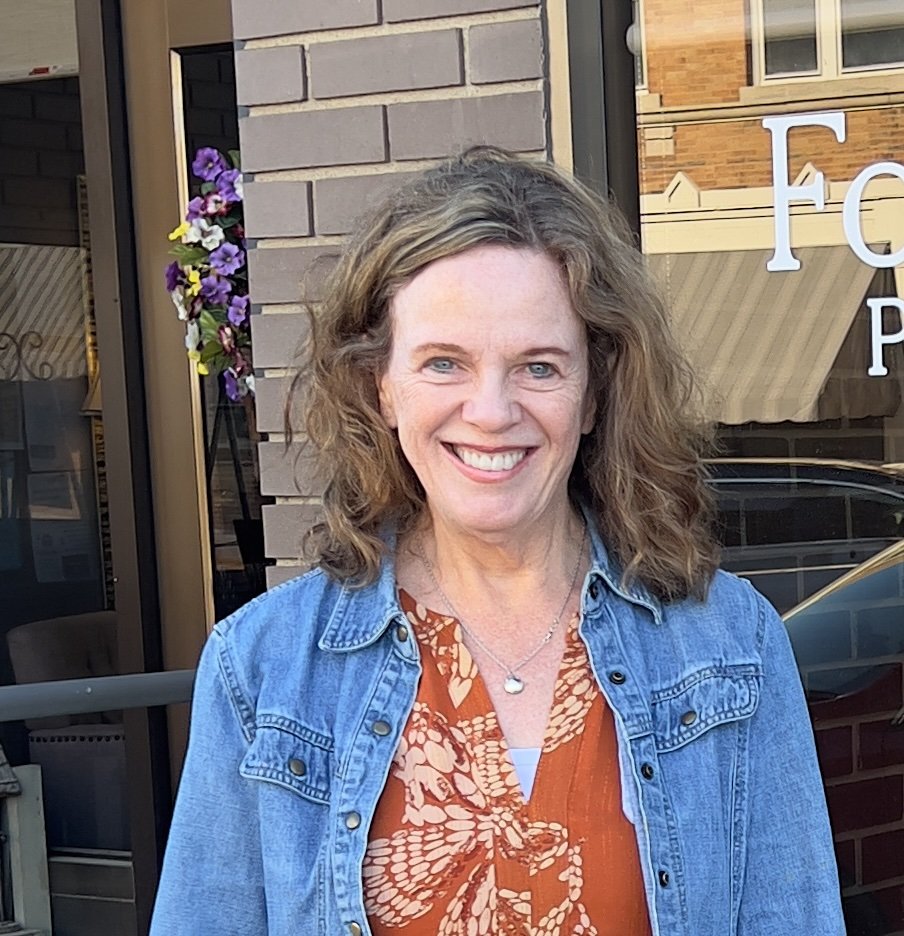
About the Author

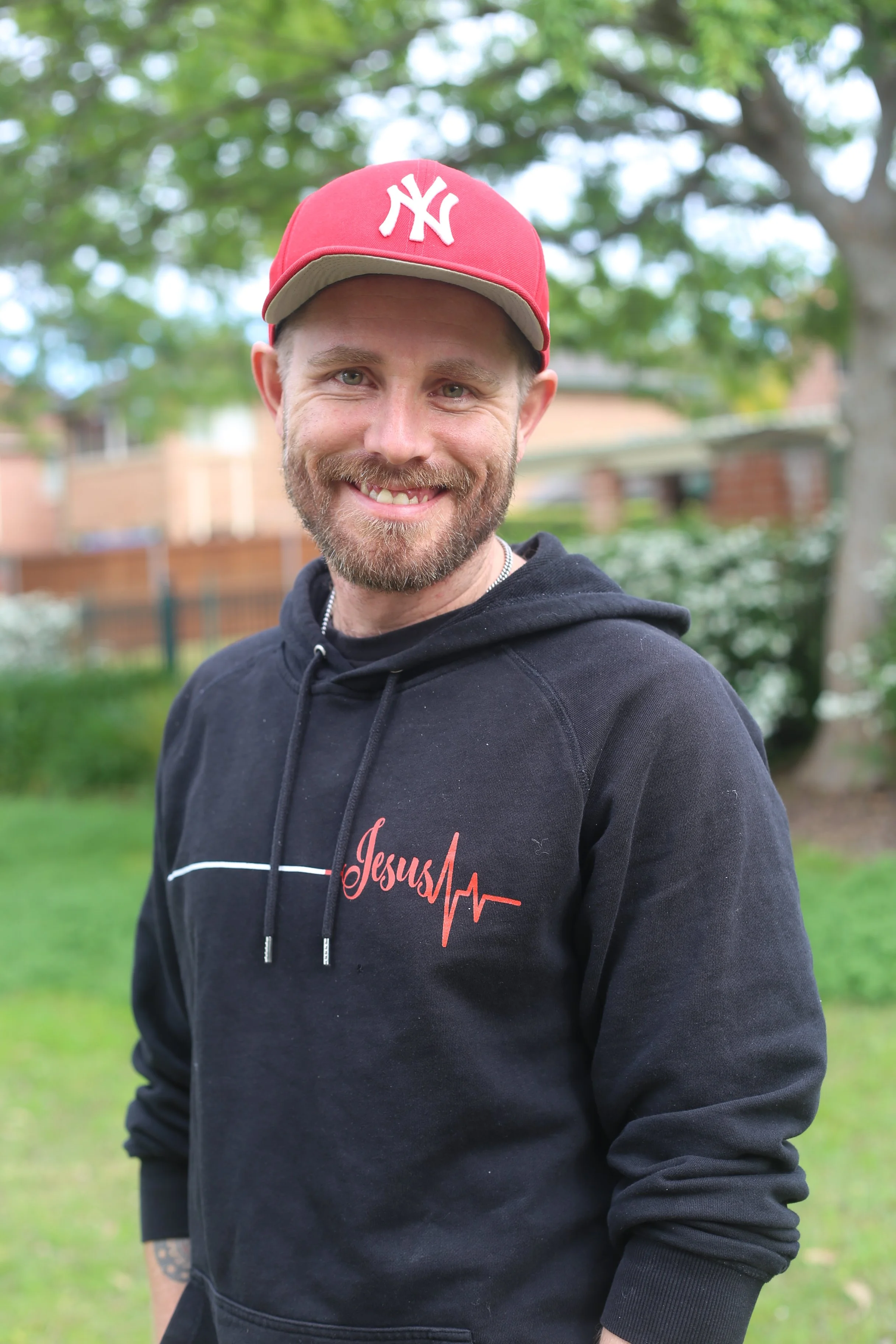
Kimberly Nixon believes every family has stories worth telling. Drawn to forgotten histories, resilient women, and the ties that bind generations, she writes historical fiction inspired by the remarkable lives of ordinary people. Her award-winning novels, Rock Bottom, Tennessee and Rock Bottom Rising, grew from the true story of her grandmother’s felony conviction in 1925 Tennessee. 

Her children’s book, A Visit from Grandypants, celebrates the joy of family across generations. Kimberly lives in Austin, Texas, with her husband, Paul, and is always searching for the next story hidden in her family’s past.

Instagram: @kimberlynixon.author
https://www.instagram.com/kimberlynixon.author/

Facebook: Kimberly Nixon - Author

https://www.facebook.com/kimberlynixonauthor/

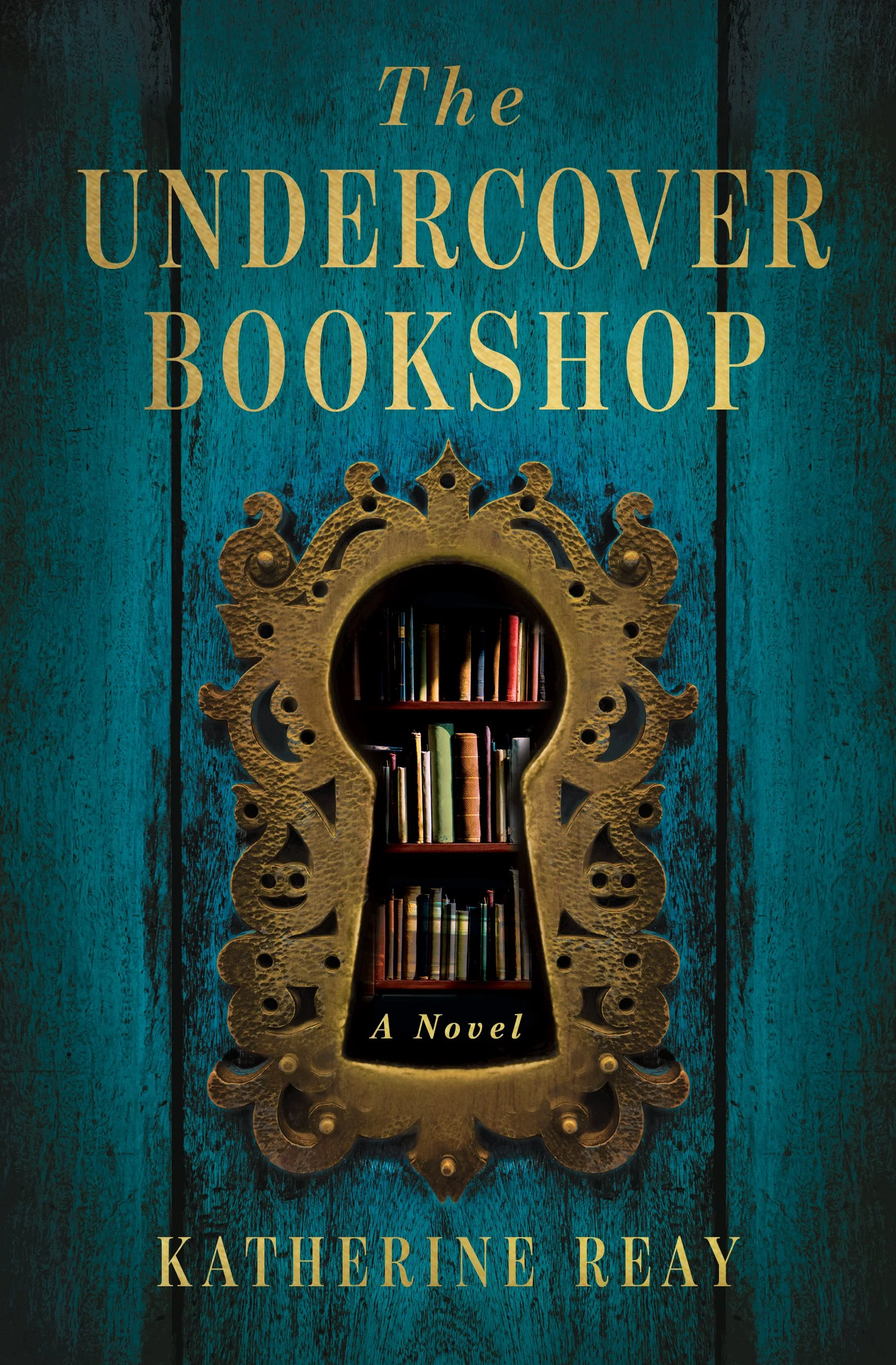
Spotlight: The Undercover Bookshop by Katherine Reay

During the winter of 1950 in the small Cotswold village of Great Rollright, amateur sleuth Gemma Brown starts to suspect that the town’s best baker, Ursula Beurton, is a Soviet spy, tumbling her headlong into a dangerous game of cat-and-mouse that ends with a decision that will lead her to the Undercover Bookshop and change her life forever.

Recently moved to the English Cotswolds, Gemma Brown desperately wants to create the kind of idyllic life she’s read about in her favorite mystery novels, with herself as the leading lady. But fitting in proves difficult as Gemma is more adept at solving mysteries and setting up the village’s first bookstore than she is at baking cakes or grasping social niceties. Nevertheless, she finds a friend in Peggy, a young woman recently moved to town herself, and Ursula Beurton, who is not only the village’s best baker but an enigmatic figure who sparks controversy in the small-town gossip network.

As Gemma spends more time with Ursula, she begins to suspect all those novels are affecting her thinking. The oddities she starts to notice must be her imagination because, if not, they point to something far more dangerous than winning the local baking contest or being placed on the church committee. Could her neighbor be a real spy?

Following her instincts and a few skills learned through fiction, Gemma soon becomes embroiled in an international intrigue involving the village’s mysterious benefactor, Lady Marchmont, MI5, and the KGB. In an unexpected twist, however, Ursula asks Gemma for a favor which may endanger all their lives as their next chapter unfolds in Gemma’s new venture, the Undercover Bookshop.

Buy on Amazon Kindle | Audible | Paperback | Bookshop.org

About the Author

Katherine Reay is a national bestselling and award-winning author who has enjoyed a lifelong affair with books. She publishes both fiction and nonfiction, holds a BA and MS from Northwestern University, and currently lives outside Bozeman, MT, with her husband and too many dogs.

Visit Katherine online at katherinereay.com, on Instagram @katherinereay, on X @katherine_reay, and on Facebook at KatherineReayBooks.

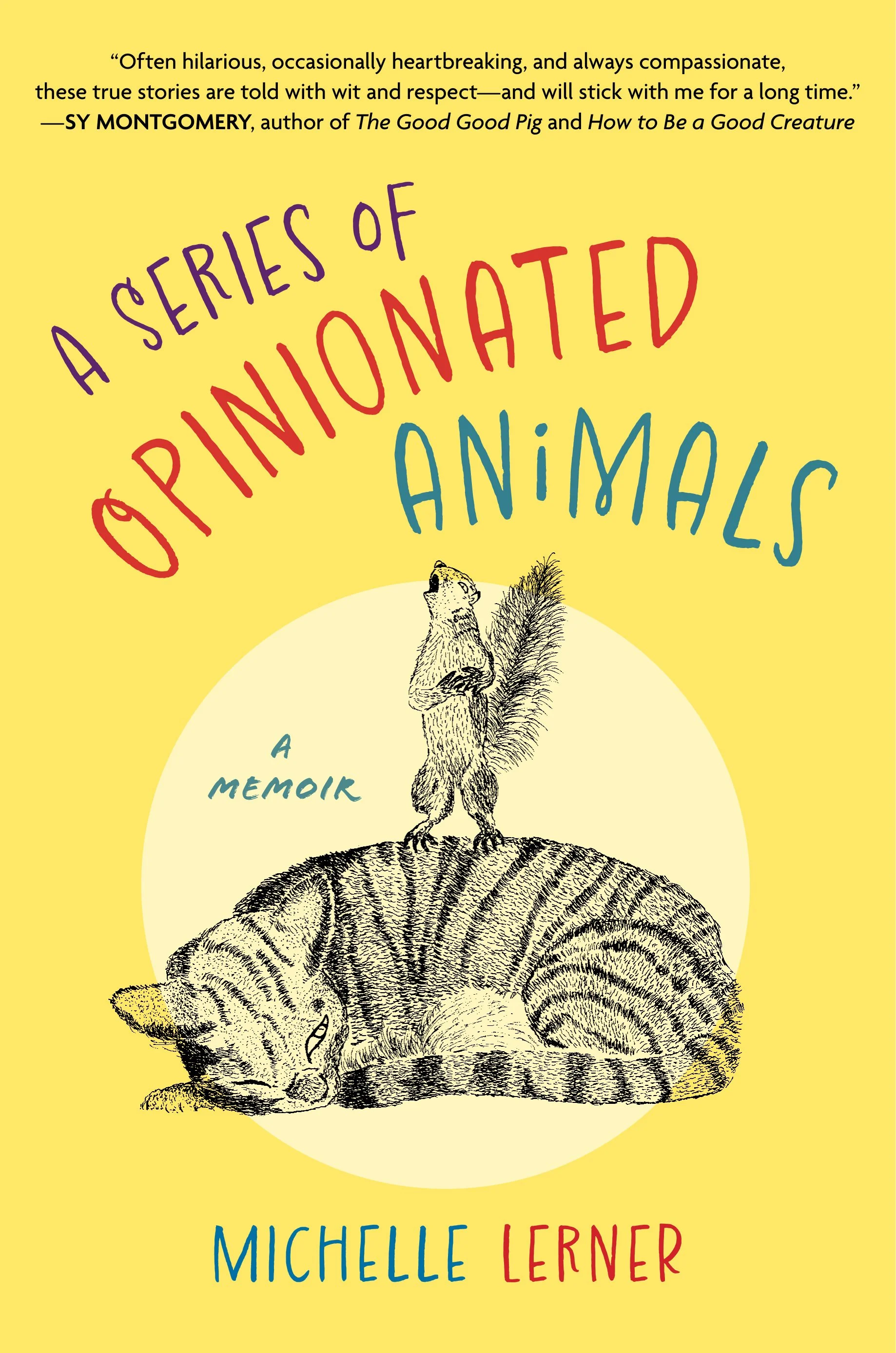
Spotlight: A Series of Opinionated Animals by Michelle Lerner

For Michelle Lerner, a Harvard-educated lawyer, the call wasn't just unusual—it was a summons. On the line was a panicked volunteer from a chaotic cat shelter she'd left behind years ago. The problem? A neurologically-impaired squirrel who insisted on being sat on by his rabbit roommate was about to fall into the hands of the state, and Michelle was his only hope. It's a question most people never face, but for Michelle, it was just the beginning of a life lived in loving, chaotic service to the most opinionated animals imaginable.

In A Series of Opinionated Animals, Lerner invites readers into her astonishing world, where the line between rescue and civil disobedience is often blurred. This is a world where a disabled sheep named Lamby—the "Woolly Bully"—wears children's skateboarding elbow pads, develops a taste for blue corn chips, and learns to herd cats, all while demanding her meals by ramming her head against the kitchen door. It's a world where Monster, the squirrel, recovers from his mysterious past by throwing tantrums, serenading the neighborhood with squirrel opera, and forming an inseparable bond with a patient rabbit named Finn. Lerner's story is populated by a cast of unforgettable characters, including a trio of rescue dogs—Nubi, the resident genius; Fern, the speckled pig-like dog who embarks on her own "Outward Bound" journey; and Chip, the lovable fool who joyfully dances on thin ice.

From a ferocious chicken who hazes new farmhands to a veritable herd of cats with feline leukemia who teach lessons in love and loss, Lerner shows us that every animal has a story and a distinct, often hilarious, point of view. With the sharp wit of a seasoned lawyer and the deep empathy of a lifelong animal advocate, Lerner seamlessly weaves her personal experiences into a broader narrative about justice for those who cannot speak for themselves. She recounts how her profound bond with Shire, a disabled ex-police horse, propelled her into the field of animal law, where she would go on to help establish one of the nation's first student animal law programs, at Harvard no less.

A Series of Opinionated Animals is a moving and uproarious memoir about the radical, world-changing act of recognizing the personhood in every creature. It is a story of unconventional family, profound grief, and the kind of love that transcends species—a love that is messy, demanding, and ultimately transformative.

Excerpt

Monster in the House

In early 2008, while living in New Jersey, I received an odd and disturbing phone call from the eclectic cat shelter in Massachusetts where I had volunteered three years earlier. Apparently, the owner of the shelter had passed away and the state was coming to take over operations. There was a neurologically impaired squirrel who had lived there in a cage with a rabbit, and the volunteers were afraid the state would kill him. Could I come get him? 

Why, you might ask, did they call me in New Jersey to take the squirrel? Because, I guess, they couldn’t think of anyone else who’d be willing and able to figure out what to do with a neurologically impaired squirrel. I had, after all, adopted a disabled lamb and six Feline Leukemia positive cats from the shelter. Who better to call about a disabled squirrel? 

Terry, the woman who had run the shelter, had both a soft spot for animals and a boundless sense of her own abilities. Though she was not trained as a wildlife rehabilitator, she took it upon herself to try to rehabilitate any injured wild animal she found. I had watched her raise a raccoon in the feral cat yard, who became way too accustomed to human contact. Attempts to release her into the wild failed repeatedly as the neighbors kept calling to say she was terrorizing their chickens. The raccoon was eventually released on the more remote property of a shelter volunteer (ahem). 

When I started volunteering at the shelter in 2002, “Mr. Squirrel” lived in a cage with a rabbit. He ran in tight circles over and over as if chasing his tail, and then would poke and prod the rabbit until the rabbit stood up and let Mr. Squirrel crawl underneath him. Mr. Squirrel, once comfortably ensconced under the rabbit’s belly, liked the rabbit to lie back down, on top of him. And that’s where he would rest, underneath the rabbit, until it was time to run in circles again. 

To me, he looked miserable. In nice weather, he’d be moved out to a hutch on the front lawn where, absent a squishy furry rabbit to climb under, he’d just keep running in circles. 

Terry told me she’d found him gravely injured on a road after he had been hit by a car. In the same situation, I would have taken him to a wildlife rehabilitator or vet office. But Terry did whatever she knew how to do on her own, and the squirrel seemed to recover. Delighted, she released him in the front yard of the shelter, where he proceeded to climb halfway up a tree and then fall out of it. He had, it seemed, some residual neurological effects from his injury and could not survive on his own. 

So, Terry put him in the cage of a rabbit who was also, for some unknown reason, at the cat shelter. The two hit it off famously, and they lived together until the rabbit died. Mr. Squirrel was then put in a cage with another rabbit acquired specifically to keep him company, but this rabbit somehow did not take to being locked in a cage all day with a squirrel who wanted to be sat on. He just wasn’t into that kind of thing.

This had been the state of affairs when I left Massachusetts. So, when I got the distressed phone call three years later, my spouse, Gray, and I prepared to go get Mr. Squirrel. Not to keep him in our house, of course, because who would keep a neurologically impaired squirrel in their house? That would be, um, crazy. 

No, I was sure I’d find a wildlife rehabilitator with an exhibitor’s permit to take him and let him live out his life as an educational squirrel. You see, in most states, it’s illegal to keep a wild animal unless one is a rehabilitator with a permit. Wild animals who cannot be rehabilitated to the point of surviving on their own are legally required to be killed unless a rehabilitator gets special permission from the state to keep the animals for educational purposes. 

Does that mean it had been illegal for Terry to keep Mr. Squirrel at the cat shelter? Well, yes. And it also would have been illegal for me to keep him in my house. And I was a lawyer. Hence, I made some calls.

Unfortunately, wildlife rehabilitators in New Jersey are licensed by the Division of Fish and Wildlife, a notoriously anti-animal agency with staff salaries funded by hunting and trapping license fees. They have little to no interest in helping injured wildlife and make it almost impossible for wildlife rehabilitators to function in the state. As a result, there aren’t many wildlife rehabilitators left. 

Unsurprisingly, the few remaining didn’t seem to want a neuro logically impaired squirrel. But one did say ok, so we planned to go get the squirrel, put him in our house very temporarily, and then work out a transfer.

In the meantime, I did some research. How long can squirrels live? Mr. Squirrel was, after all, at least ten years old. What I found online was that wild squirrels live, on average, one year—because so many die as infants and adolescents. If you’ve ever driven in the countryside during adolescent squirrel or chipmunk season (what Gray and I refer to as “stupid season”), you will notice that they treat roads like a video game and run out as close to an oncoming car as possible in their at tempts to get across. Which, often, does not work out well. Hence the low average age of death. 

But, the internet told me, a well-cared-for squirrel in captivity can live to twenty. And, if the outside limit of a squirrel’s life is twenty, then that’s how long I expect said squirrel to live. So, though I did not know Mr. Squirrel’s actual age, it seemed to me that he likely had a lot of time ahead of him.

Buy on Amazon | Bookshop.org

About the Author

Michelle Lerner is a former public interest attorney, animal law pioneer, and author. A magna cum laude graduate of Harvard Law School, she co-founded the Student Animal Legal Defense Fund, successfully lobbying for Harvard’s first animal law class. She later drafted municipal and state legislation, co-chaired the New Jersey State Bar Association’s Animal Law Committee, and founded a local rescue that achieved no-kill status. After a disabling illness, she turned to writing stories. Her critically acclaimed debut novel, Ring, was published in 2025.